Category: Enginee

  • Top 10 Best Engines for 2015

    Top 10 Best Engines for 2015

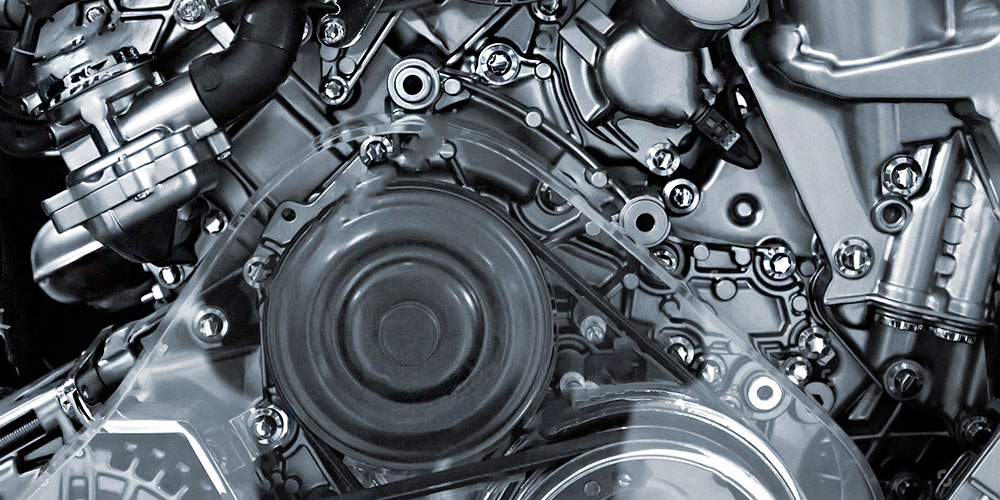
    It’s the end of the year, which in the auto industry means various ‘of the year’ lists are appearing to sum up the most significant new cars and trucks of the past 12 months. In addition, one of the most watched parts of this automotive award season is the annual Ward’s Auto 10 Best Engines list.

    The jurors at Ward’s evaluated 37 new or improved powertrains and showing automakers’ current emphasis on fuel economy that group included 15 turbocharged four-cylinder engines, four electric powertrains, and the first-ever hydrogen fuel-cell powertrain to be eligible for the award. They made up what the jurors called the most diverse field ever.

    Here are Ward’s 10 best engines for 2015:

    • 127-kilowatt electric motor (BMW i3)
    • 6.2-liter OHV V-8 (Chevrolet Corvette Stingray)
    • 6.2-liter Supercharged OHV V-8 (Dodge Challenger SRT Hellcat)
    • 1.0-liter Turbocharged DOHC 3-cylinder (Ford Fiesta)
    • 100-kW Fuel Cell (Hyundai Tucson Fuel Cell Vehicle)
    • 1.5-liter Turbocharged DOHC 3-cylinder (MINI Cooper)
    • 3.0-liter Turbodiesel DOHC V-6 (Ram 1500 EcoDiesel)
    • 2.0-liter Turbocharged H-4 (Subaru WRX)
    • 1.8-liter Turbocharged DOHC I-4 (Volkswagen Golf)
    • 2.0-liter Turbocharged DOHC I-4 (Volvo S60)

    The supercharged 6.2-liter Hellcat V-8 from Dodge has generated plenty of buzz everywhere else, and with 707 horsepower it certainly has the muscle to be considered a great engine. It’s joined by another 6.2-liter V-8, the naturally-aspirated small block from the Chevrolet Corvette Stingray, which was eligible again because it made the list last year. The 2015 Subaru WRX’s boxer four also made the cut.

  • Best Automotive Tips and Tricks!

    Best Automotive Tips and Tricks!

    Summer can be tough on cars, especially during high temperatures when heat can destroy batteries and stress the cooling system and tires. As a precaution, these vehicle components should be checked periodically during summer to help avoid breakdowns and car problems, according to the Car Care Council.

    LIFE OF YOUR BATTERY

    Excessive heat and overcharging shorten the life of a battery. Heat causes battery fluid to evaporate, which then damages the internal structure of the battery. A malfunctioning component in the charging system, usually the voltage regulator, allows too high a charging rate, which will eventually destroy a battery. To get the most life out of a battery, the council recommends having the electrical system checked to make sure it is charging at the correct rate. If your car’s battery is the type that needs to be topped off, check it often, especially in hot weather and add distilled water if necessary. Keep the top of the battery clean. Dirt can become a conductor, which drains battery power. If corrosion accumulates on battery terminals, it becomes an insulator and inhibits the current flow.

    THE COOLING SYSTEM.

    The cooling system also works harder during hot temperatures to prevent overheating of the engine. To keep the cooling system working effectively, the coolant and distilled water mixture for a vehicle’s radiator should be 50:50. As a reminder, never open a hot radiator cap when checking the coolant level in the reservoir. As a rule of thumb, the coolant should be changed annually on most vehicles. This will keep the cooling system fresh and clean inside, which helps prevent corrosion and assures that the coolant has the proper boiling point and protection.

    A pressure test, thermostat test, a cooling fan test and a visual inspection for leaks and corrosion should also be done annually. Hoses and drive belts should be checked for cracks, bulges or frayed edges. The radiator should be kept clean by periodically using a garden hose and a soft brush to carefully remove bugs, dirt and debris.

    TIRE CARE

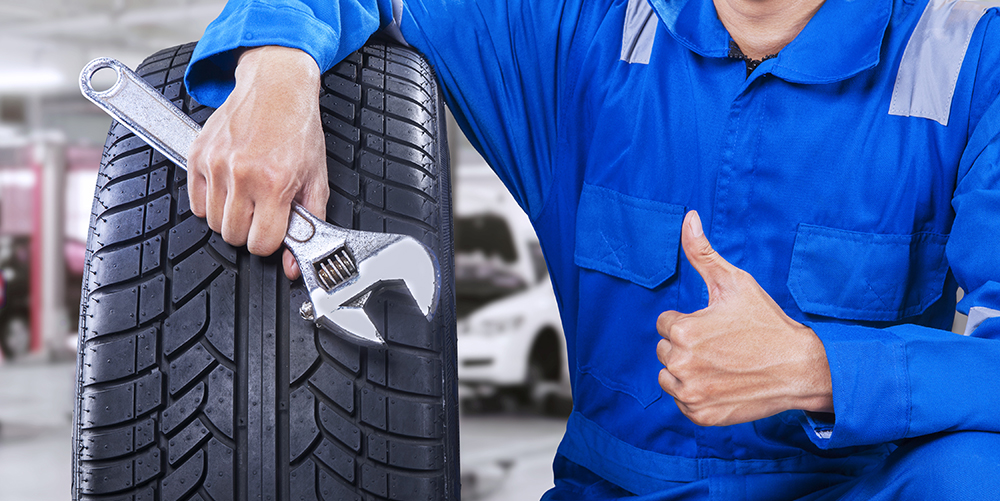
    Tires also need special care in warmer weather as high temperatures put added stress on them. To maximize tire life and safety, check the tire condition and inflation pressure monthly, and have the tires rotated every 6,000 miles. Summer heat will cause the pressure within a tire to rise, therefore, it’s important to check the pressure when tires are cold. The owner’s manual includes the recommended air pressure for your vehicle’s tires.

    “It takes very little time and money to make sure your car runs properly during summer, and although breakdowns happen, they can definitely be minimized by taking a few extra preventive maintenance steps,” said Rich White, executive director, Car Care Council.